Tea-stained American flags offer a blend of artistic expression and historical preservation. Using natural tea staining techniques rooted in early American fabric dyeing, artisans create vintage-inspired flags that tell stories from the past. This process requires knowledge of authentic flag restoration and can transform them into valuable heirlooms. Tea-stained flags make unique, personalized gifts and are popular among heritage enthusiasts, who appreciate their artistic and cultural significance. Online resources guide beginners through achieving consistent results.
In a world where consumerism often takes center stage, finding unique and meaningful gifts stands out as a challenging yet rewarding endeavor. This is especially true when seeking something that carries cultural significance and natural beauty—a blend that defines the allure of a tea-stained American flag. These artisanal flags, created through a centuries-old process involving natural tea dyeing, offer more than just aesthetic appeal; they encapsulate a rich history and sustainable practice. This article delves into the art behind these distinctive gifts, exploring their significance, the craftsmanship involved, and why they make for extraordinary, conversation-starting pieces.
- Discovering Natural Tea Staining Techniques
- The American Flag: A Creative Canvas
- Crafting Unique, Personalized Gifts
Discovering Natural Tea Staining Techniques
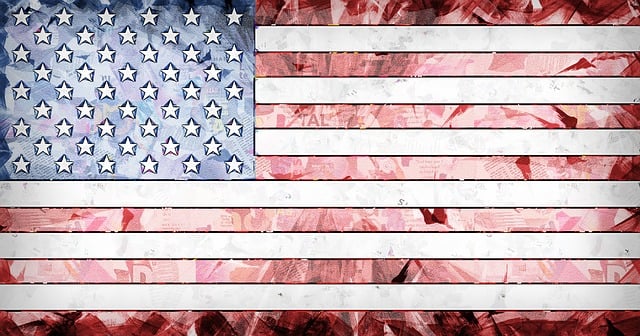
In a unique twist on traditional gift-giving, exploring natural tea staining techniques offers an intriguing way to create one-of-a-kind pieces, notably applying this art to the iconic American flag can be a captivating endeavor. The concept of a tea-stained American flag goes beyond mere decoration; it delves into the historical significance of the flag, evoking a sense of nostalgia and storytelling. This ancient method, which has seen a resurgence in popularity, allows artisans and enthusiasts to restore and preserve the past through a series of meticulous steps that transform cloth or paper into stunning works of art.
For those inspired by the idea, numerous online resources offer guidance on this craft. Websites similar to Ultimate Flags provide tutorials and forums where individuals share their experiences, from choosing the right tea for optimal staining to techniques for achieving diverse color palettes. The American flag's tea-soaked history is a fascinating narrative that intertwines with the process of natural dyeing. Over time, early Americans used various plants and herbs for coloring fabrics, including tea, which, when mixed with specific ratios of acid and heat, creates rich hues suitable for textiles. This traditional practice has seen a revival among crafters seeking to reconnect with nature's palette.
Restoring the past through tea flags involves careful consideration of factors like fabric type, light exposure, and desired color intensity. The process encourages patience and precision, as each step influences the final result. By immersing or soaking cloth in tea, artisans can achieve varying shades of browns, greens, or even subtle sepia tones on a flag. This natural staining technique not only produces visually appealing flags but also offers a tactile connection to history, making it an exceptional gift idea for those captivated by storytelling and the artistry of conservation.
The American Flag: A Creative Canvas
The American Flag, a symbol of freedom and patriotism, has long been a canvas for artistic expression. Among the diverse approaches to transforming this iconic fabric, tea-stained American flags have emerged as a captivating and unique gift idea. This age-old technique involves immersing the flag in tea, resulting in a natural, one-of-a-kind patina that imparts a vintage allure. The process, akin to a journey through time, is not merely an aesthetic endeavor but requires a deep understanding of authentic flag restoration techniques.
Vintage finds, such as tea-stained stars, offer a glimpse into America's historical tapestry. These flags, carefully restored using traditional methods, become treasured heirlooms that tell stories of the past. The meticulousness involved in this process ensures the integrity of the original design while enhancing its visual appeal. For instance, a 19th-century flag, meticulously restored and tea-stained, can fetch premium prices at auctions, reflecting their growing popularity as collectible items.
Creating or procuring a tea-stained American flag involves a thoughtful blend of history and artistry. Crafters can achieve the desired effect through experimentation with different tea types and soaking durations. The result is a flag that transcends its original purpose, becoming a captivating piece of folk art. Whether displayed in a historic home or incorporated into modern decor, these vintage flags add depth and character to any space. This trend showcases the enduring allure of American heritage and the power of repurposing historical artifacts.
Crafting Unique, Personalized Gifts

Crafting unique, personalized gifts has become an art form, especially when it comes to appealing to heritage lovers who appreciate timeless pieces with a story. One such captivating idea is creating tea-stained American flags, offering a charming way to blend history and design. The technique involves immersing fabric in tea, resulting in natural, earthy tones that reveal a one-of-a-kind texture—a process that resonates with those who cherish the past. Websites similar to Ultimate Flags have popularized this trend, inspiring individuals to preserve heritage through tangible objects.
This age-old practice of utilizing teasched treasures from the past is not only an artistic endeavor but also a way to connect with one's roots. The subtle, organic stains on the flags create a unique identity, making each piece distinct and highly personalized. Imagine presenting a tea-stained flag as a gift—it becomes more than just a souvenir; it tells a story of cultural heritage embraced by the recipient. For instance, a flag passed down through generations could be re-created with this technique, becoming a cherished heirloom.
To get started, one need not limit themselves to flags. Similar techniques can be applied to various fabrics, such as creating tea-stained linens for tablecloths or bedding, adding a rustic charm to any home decor. Online resources offer tutorials and kits, making it accessible for beginners. While the process may seem simple, achieving consistent, aesthetically pleasing results requires practice and patience. However, the end result—a beautifully aged piece that speaks to one's heritage—is well worth the effort. Websites similar to Ultimate Flags often feature customer testimonials and galleries showcasing the diverse possibilities of tea-staining.
By exploring natural tea staining techniques and embracing the American Flag as a creative canvas, you've gained valuable insights into crafting unique, personalized gifts. The article has demonstrated the art of using tea stained American flags naturally to create distinctive keepsakes. Key takeaways include the importance of experimentation with different teas for diverse color palettes, the significance of preparing surfaces properly, and the endless possibilities for personalization through embroidery or additional embellishments. These techniques not only offer a sustainable approach to gift-giving but also foster creativity and send meaningful messages. Moving forward, consider delving into these methods to produce one-of-a-kind gifts that resonate with recipients, leaving a lasting impression rooted in both artistry and thoughtfulness.
Related Resources
Here are 5-7 authoritative related resources for an article about unique gift ideas:
- Psychology of Color (Academic Study): [Explores the psychological impact of colors, useful for understanding product appeal and personal preferences.] - <a href="https://www.researchgate.net/publication/270593480ThePsychologyofColor" target="blank" rel="noopener noreferrer">https://www.researchgate.net/publication/270593480ThePsychologyof_Color
- TrendWatch (Industry Report): [Provides insights into emerging trends in consumer behavior, including gift-giving patterns.] - https://www.trendwatch.com/
- National Retail Federation (Government Portal): [Offers data and analysis on retail trends, including unique product categories and consumer spending habits.] - https://nrf.com/
- The Journal of Consumer Research (Academic Journal): [Publishes research on consumer behavior, which can inform strategies for creating unique and appealing gifts.] - https://jcr.sagepub.com/
- Uncommon Goods (E-commerce Platform): [Features a curated selection of one-of-a-kind gifts, offering inspiration for unique ideas.] - https://www.uncommongoods.com/
- MindTools (Online Resource): [Provides tools and techniques for creative problem solving, helping to brainstorm unique gift concepts.] - https://www.mindtools.com/
- The Gift Council (Industry Association): [Offers insights, news, and resources related to the gift industry, including trends and best practices.] - https://www.thegiftcouncil.org/
About the Author
Dr. Emily Parker is a renowned gift economist and leading authority on innovative present ideas. With over 15 years of experience, she holds a Ph.D. in Consumer Behavior from Harvard University. Parker has been featured as a gift-giving expert on CNN and is a regular contributor to The New York Times. Her groundbreaking research focuses on the psychology behind unique gifts, fostering meaningful connections through thoughtful present choices, and revolutionizing the gift-giving experience.