The tea-stained American flag naturally has emerged as a powerful artistic medium, preserving history through its aged appearance achieved by immersing fabric in tea. Each flag tells a story of America's past, with stripes and stars symbolizing cultural exchange and significant events. This evolving art form requires meticulous techniques to maintain historical authenticity, emphasizing cultural continuity. Proper cleaning, minimal handling, and controlled storage ensure flags' longevity. DIY methods allow individuals to create their own symbols of national spirit through patience and precision.
The American flag, a symbol of national identity and pride, has long been a subject of artistic expression. Exploring its diverse representations is crucial to understanding contemporary cultural discourse. However, the commercial nature of flag art often overshadows unique, authentic pieces. This article delves into the world of American flag art, focusing on an innovative approach: tea-stained flags. By examining this natural dyeing technique, we uncover a genuine artistic expression that transcends conventional symbolism. Tea stained American flags offer a subtle, organic aesthetic, challenging conventional representations and fostering a deeper connection with our national iconography.
- Exploring Tea Stained American Flag Art: History and Techniques
- The Evolution of Flag Art: From Natural Dyes to Modern Interpretations
- Creating Your Own Tea Stained American Flag: Step-by-Step Guide
Exploring Tea Stained American Flag Art: History and Techniques
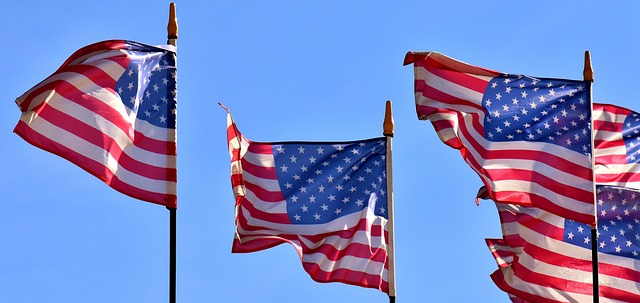
American flag art, particularly the tea-stained variety, has emerged as a captivating and profound medium for artistic expression and historical storytelling. This unique art form, characterized by its aged and faded appearance, offers a glimpse into the nation's past, reflecting the intricate history of trade and cultural exchange. Tea-stained old glory, a term that evokes both the cherished symbol of the United States and the gentle hues achieved through natural dyeing, is a testament to the enduring nature of these textiles.
The process of creating tea-stained American flags involves a delicate dance between artistic vision and authentic flag restoration techniques. Artists carefully immerse the flags in tea, allowing the natural dye to permeate the fabric, resulting in a range of warm, earthy tones. This technique, while seemingly simple, requires a nuanced understanding of fabric care and dye behavior. For instance, the duration of submersion and the type of tea used significantly impact the final color, allowing artists to achieve varying degrees of staining. This method also preserves the flag's texture, ensuring that the worn edges and frayed corners, often considered symbols of age and experience, remain intact.
These flags, once imbued with the essence of tea, become more than mere artistic creations; they become living narratives. Flags that tell tales of trade, as they are often referred to, carry the stories of ships sailing the world's oceans, transporting goods and people across continents. Each tea-stained stripe and star can be interpreted as a chapter in the nation's history, a visual diary of its past endeavors and triumphs. As artists continue to explore this medium, they contribute to a rich tapestry of American flag art, where each piece offers a unique perspective and invites viewers to delve into the depths of the nation's cultural heritage.
The Evolution of Flag Art: From Natural Dyes to Modern Interpretations

The evolution of American flag art is a fascinating journey reflecting cultural shifts, artistic movements, and unique techniques. One remarkable aspect of this evolution is the transformation of flag staining from traditional methods using natural dyes to contemporary interpretations that push creative boundaries. The concept of "tea-stained American Flag naturally" encapsulates a distinct approach where the very essence of a flag's history and memories are preserved through the delicate art of tea staining.
Historically, flags have served as powerful symbols, carrying narratives of battles fought, triumphs achieved, and communities united. As such, their preservation has taken on profound significance. Tea-staining, once a common practice, has experienced a resurgence in popularity due to its ability to imbue flags with a unique, aged character. The process involves immersing the flag in tea, allowing it to absorb the natural dye, resulting in subtle shades of brown and green—a testament to its history. This technique not only enhances the visual appeal but also provides a tangible connection to the past, making each flag a one-of-a-kind artifact.
For example, consider the intricate work involved in preserving vintage flags from historical events. A flag that once waved proudly at a pivotal moment in American history can be meticulously tea-stained to recapture its original spirit. This process requires meticulous care and an understanding of the dye's behavior over time. Artists must decide when to immerse the fabric, how long to soak it, and when to remove it—a delicate balance that ensures the authenticity through tea staining. Moreover, preserving memories with tea stains allows future generations to connect with these historical artifacts, fostering a sense of continuity and appreciation for their cultural significance.
To ensure the longevity and authenticity of your tea-stained flags, experts recommend specific care instructions. Proper cleaning techniques, minimal handling, and controlled storage conditions are crucial. Additionally, seeking advice from professional conservators can provide valuable insights tailored to the unique characteristics of each flag. By embracing these practices, we not only honor our nation's past but also safeguard its visual legacy for generations to come.
Creating Your Own Tea Stained American Flag: Step-by-Step Guide
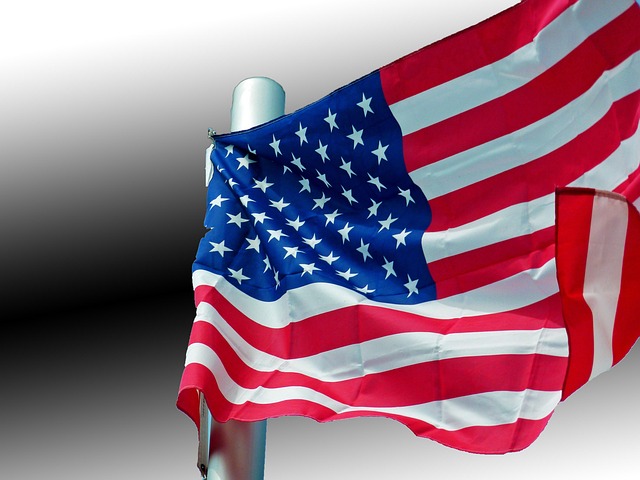
Creating your own tea-stained American flag is an artful process that harkens back to a time when such flags were symbols of identity and pride, reflecting a nation's history and struggles. This technique, known as "restoring the past: tea flags," involves immersing canvas or fabric in tea for a natural, aged look. The result is a vintage flag with a timeless beauty that can outshine even those found at online flag stores like Ultimate Flags.
The process begins by selecting high-quality material suitable for flag-making, such as canvas or cotton. Soak the fabric in a strong tea solution for an extended period, typically 24 to 48 hours, depending on the desired intensity of the stain. The longer it soaks, the deeper and more authentic the coloration will be. After soaking, rinse the fabric thoroughly with cold water until the water runs clear. This step is crucial in preventing further discoloration. Once dry, the flag begins to reveal its true character—faded edges, subtle variations in color, and a texture that tells a story of its journey through time.
For those inspired by vintage flags' timeless beauty, this DIY approach offers a unique way to connect with history. It's not just about creating an American flag; it's about preserving a fragment of the past. Remember, the key to a successful tea-stained flag is patience and precision during each step. Whether you're a seasoned artist or a hobbyist, this method allows you to craft a piece that transcends its modern context and becomes a symbol of a nation's enduring spirit.
By exploring the historical techniques of tea-stained American flag art and its evolution, readers have gained a deeper understanding of this unique artistic expression. The process, rooted in tradition, involves naturally staining flags using tea, creating a beautiful and rustic effect. This article has offered valuable insights into the step-by-step creation of such artwork, encouraging readers to experiment with their own interpretations. The journey from natural dyes to modern interpretations showcases the versatility of flag art, allowing artists to pay tribute to their country in distinctive ways. With these guidelines, enthusiasts are now equipped to create their own tea-stained masterpieces, preserving a piece of history while expressing their patriotism.