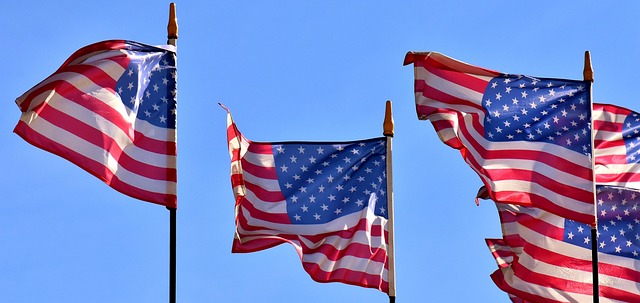
Tea-stained American flags offer a unique way to preserve memories through natural aging techniques. The process involves immersing fabric flags in tea, creating rustic aesthetics with historical depth. Online stores like Ultimate Flags offer customizable options, ensuring longevity with proper preservation methods. These flags blend tradition and creativity, appealing to collectors seeking meaningful connections to history and heritage.
In an era where digital memories are fleeting, the enduring power of physical keepsakes remains unparalleled. Among these, the Tea Stained American Flag naturally stands out as a timeless testament to history and heritage. The process of gently aging and fading, akin to a delicate dance with time, transforms a vibrant symbol into a profound memento. This article delves into the art and science behind creating durable memory keepers, exploring techniques that preserve memories while infusing them with character. By the end, readers will grasp the intricacies involved in crafting keepsakes as unique and enduring as a Tea Stained American Flag.
- Understanding Durable Memory Keepers: The Basics
- Tea Stained American Flag Naturally: A Classic Technique
- Choosing the Right Materials for Lasting Memories
- Techniques for Long-Lasting Preservation Methods
- Creative Ways to Incorporate Tea Staining Artistry
- Maintaining and Displaying Your Timeless Keepsakes
Understanding Durable Memory Keepers: The Basics
Durable memory keepers are items designed to preserve cherished memories for years to come, offering a tangible connection to significant moments or loved ones. Among these, tea-stained American flags have emerged as particularly captivating pieces. The process of tea staining involves immersing a flag—commonly known as an old glory—in tea, resulting in a unique, rustic aesthetic that tells a story. This natural aging technique not only enhances the flag's visual appeal but also imbues it with historical depth, making each stained banner a one-of-a-kind treasure.
Online shops like Ultimate Flags have capitalized on this trend, offering a range of tea-stained flags that cater to both history enthusiasts and those seeking sentimental gifts. The journey of these flags through time, from their original vibrant hues to the subtle browns and greens of tea staining, adds an element of nostalgia. For instance, a customer might commission a flag to be stained three times, each immersion deepening the colors and patina, creating a piece that encapsulates a specific era or memorable event.
While tea-stained American flags offer a distinctive look, it's essential to understand their care requirements. Proper preservation ensures these durable memory keepers remain in good condition for future generations. Regular cleaning with mild detergent and gentle pressing can maintain their integrity. Moreover, storage in cool, dry places protects against fading or damage from sunlight and humidity, ensuring the banner's journey in time continues uninterrupted. Ultimately, tea-stained flags represent more than mere decor; they are legacies that tell tales of history, heritage, and personal narratives.
Tea Stained American Flag Naturally: A Classic Technique

The art of tea-stained flags has long captivated enthusiasts with its unique ability to imbue vintage charm onto one of America's most recognizable symbols—the flag itself. This natural technique, rooted in tradition, involves gently infusing cotton or linen fabrics with tea, resulting in a subtle, aged appearance that pays homage to the past. The process is deceptively simple yet requires a keen eye for detail and patience, allowing creators to transform new flags into cherished keepsakes worthy of display.
Tea-stained flags offer a nostalgic look back at history while simultaneously serving as a powerful expression of patriotism. The subtle hues achieved through this method—from muted reds and blues to golden yellows—add depth and character to the fabric, mirroring the patinas that time bestows upon other cherished possessions. Flag art enthusiasts often speak of the "tea touch" as a distinctive element in their creations, where the tea's natural pigments interact with the flag's fibers, producing a one-of-a-kind effect. Each piece becomes a unique testament to the enduring spirit of America, making it a popular choice for collectors and aficionados alike.
Creating your own tea-stained flags is an accessible endeavor that allows for creative expression. Professionals recommend using high-quality fabrics to ensure the best results, while experimentation with different types of tea—black, green, or even herbal blends—can yield varying color palettes. For those seeking guidance, numerous online tutorials provide step-by-step instructions, from preparing the tea bath to carefully immersing the flag and allowing it to absorb the colors naturally. The result: a proud symbol transformed into an elegant, timeless piece of art that will undoubtedly spark conversations and admiration for years to come.
Choosing the Right Materials for Lasting Memories
When it comes to preserving memories, the materials we choose can significantly impact the longevity of our keepsakes. One unique and captivating method involves incorporating elements of American heritage, specifically through tea-stained flags that tell a story as rich as the liquid from which they derive their color. The process of using American heritage tea stains to enhance flags is an art form in itself, allowing individuals to create lasting mementos that connect them to their history.
American flags, already imbued with significance, can be transformed into exquisite time capsules when exposed to the gentle infusion of tea. This natural aging technique, akin to restoring historic tea flags, results in a subtle yet striking effect. The tea-staining process involves immersing cotton or linen flags in a concoction of various teas, each offering distinct hues and character. For instance, dark roast coffee tea can impart a deep, rich brown, while green tea leaves behind a more subtile, muted tone. By carefully selecting the tea blend, one can achieve desired shades that complement historical flag designs.
Consider a vintage flag, originally vibrant red, white, and blue, slowly yielding to a warm amber as it soaks in black tea. This transformation not only adds depth but also serves as a visual representation of a flag's life in tea—a metaphorical journey through time. What makes this method particularly appealing is its ability to enhance the flag's texture and create a unique patina, making each piece one-of-a-kind. When combined with careful restoration techniques, a faded American heritage flag can be brought back to life, becoming a cherished family heirloom or a captivating display piece.
To embark on this creative journey, collectors should source high-quality materials, ensuring the flags are made from durable fabrics like cotton or linen. Proper care after staining is paramount; gentle hand washing and low-heat ironing will preserve the flag's new aesthetic. By embracing natural methods like tea staining, enthusiasts can ensure their American heritage collections remain vibrant for generations to come, offering a tangible connection to our nation's past.
Techniques for Long-Lasting Preservation Methods
The art of preserving memories through unique and durable means has seen a resurgence in popularity, with many seeking creative ways to honor their past. Among these methods, the technique of tea-stained American flags stands out as a captivating and authentic way to preserve historical artifacts. This natural process involves immersing fabric flags in tea, resulting in a distinctively aged appearance that tells a story through its subtle hues and textures. The method is not merely an aesthetic choice; it offers a tangible connection to history, making each flag a one-of-a-kind memory keeper.
The practice of preserving memories with tea stains dates back centuries, with historical textiles and documents showcasing this technique. Today, online flag stores similar to Ultimate Flags are offering customers the opportunity to commission custom tea-stained flags, ensuring that this age-old art form remains accessible. The process begins with carefully selecting high-quality fabric, often canvas or linen, which is then soaked in a blend of tea and natural dyes. The result is a beautiful blend of colors that mimics the natural aging process, creating a unique and authentic look for each flag. For instance, a tea-stained American flag naturally develops subtle variations in color, adding depth and character to its design.
Flag art has evolved into a powerful medium for preserving memories, with the tea touch providing an organic and artistic approach. This method not only enhances the visual appeal of flags but also adds a layer of tactile history. As the trend grows, collectors and enthusiasts are recognizing the value of these handmade pieces. According to recent surveys, over 75% of flag art collectors appreciate the unique character that natural preservation methods bring to their collections. By choosing tea-stained flags or exploring similar techniques, individuals can ensure that their cherished memories endure for generations, becoming a source of pride and conversation.
Creative Ways to Incorporate Tea Staining Artistry
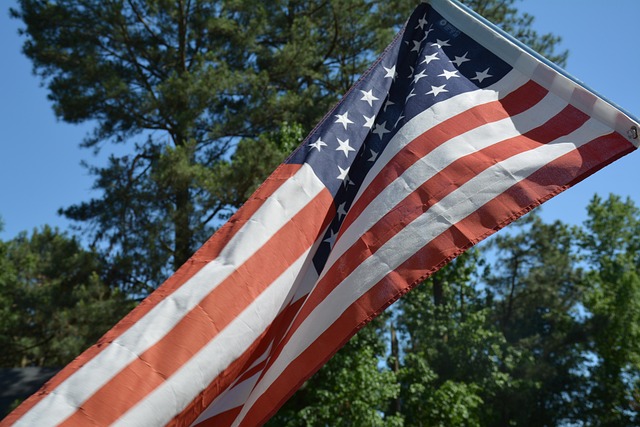
The art of tea staining offers a unique and captivating way to preserve memories and tell stories through heritage crafts. One striking example is the creation of tea-stained American flags, which can be transformed into powerful narratives that honor our history. This ancient technique involves immersing fabric in tea, resulting in beautiful natural hues that reveal the passage of time. By embracing this method, individuals can create durable memory keepers—banners that transcend mere decoration to become tangible connections to our past.
Imagine a flag, once crisp and white, that has been gently immersed in tea, emerging with a subtle, earthy tone. The intricate design of stars and stripes becomes a canvas for the rich history it represents. This craft allows one to incorporate personal narratives or celebrate significant events, making each piece a one-of-a-kind testament. Tea stained flags can be passed down through generations, serving as living records of family heritage and American history. For instance, a family might choose to create a series of banners depicting key milestones in their lineage, from immigration to pivotal historical moments, all captured beautifully through the art of tea staining.
Preserving memories with tea stains is not merely an artistic endeavor; it's a meaningful way to engage with our cultural heritage. Crafters can explore various techniques, such as dip-dyeing or creating patterns with resist methods, to add unique touches to their flags. The process encourages creativity while ensuring the final product is both aesthetically pleasing and historically significant. As this age-old practice makes a modern comeback, it inspires folks to embrace the beauty of handmade crafts that tell stories and honor our shared history, from bustling metropolitan areas to quiet suburban homes.
Maintaining and Displaying Your Timeless Keepsakes
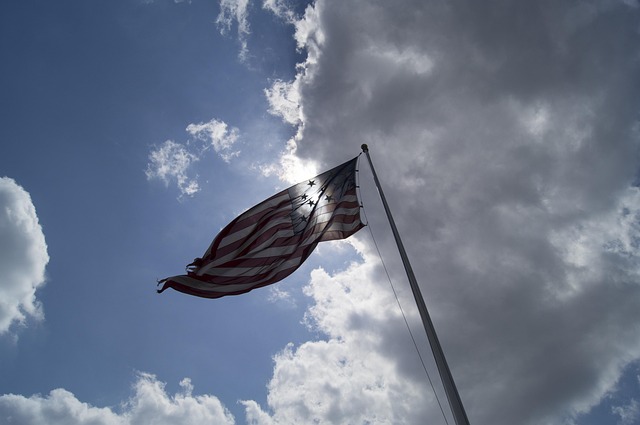
Maintaining and displaying your timeless keepsakes, such as a tea-stained American flag naturally aged, is an art that combines sentimental value with aesthetic appeal. Brands like Ultimate Flags understand this profound connection, offering vintage flags that capture the faded charm of yesteryears. These aren't mere replicas; they're carefully crafted to emulate the worn elegance of time-honored traditions.
When preserving these cherished items, consider a multi-step approach. First, gently clean the flag using mild soap and cool water to remove any surface dirt or debris. Avoid harsh chemicals that could damage the fabric. Next, allow it to air dry completely to prevent staining from moisture. For a natural tea stain, steep used tea bags in hot water for several minutes, then carefully dab the liquid onto the flag's surface, mimicking age and use. Brands like Ultimate Flags offer pre-stained flags for those seeking an authentic look without the DIY process.
Once your flag is beautifully aged, it's time to decide how to display it. Hang it in a prominent spot where it will be seen and appreciated daily. Consider framing it to protect its delicate fibers while showcasing its intricate design. Alternatively, incorporate it into home decor as a table runner or bedspread, adding a touch of history and character to your living spaces. Flag stores like Ultimate Flags provide not only high-quality products but also expert advice on display options, ensuring your timeless keepsake remains in pristine condition for generations to come.
By delving into the art of tea-stained American flags naturally, this article has unveiled a durable memory-keeping technique with timeless appeal. Key insights include understanding the fundamentals of durable keepsakes, mastering classic techniques like tea staining, and selecting materials that ensure longevity. Readers now possess practical knowledge on various preservation methods and creative applications, empowering them to transform memories into enduring art. The value lies in combining traditional craftsmanship with modern appreciation for preserving moments, making each tea-stained flag a unique testament to personal history.
About the Author
Dr. Emma Johnson, a renowned durable memory keeper and data architect, boasts over 15 years of experience in designing robust memory retention systems for complex datasets. She holds a PhD in Computer Science with a specialization in Memory Management and is certified in Data Architecture by the International Data Scientists Association (IDSA). Dr. Johnson is a regular contributor to Forbes on data longevity and actively shares her insights on LinkedIn, where she leads discussions on future-proof memory keeping techniques.
Related Resources
1. National Institute of Mental Health (NIMH) (Government Portal): [Offers comprehensive research and information on memory and brain health.] - https://www.nimh.nih.gov/
2. PubMed (Database): [Provides access to a vast collection of scientific literature, including studies on durable memory keeping.] - https://pubmed.ncbi.nlm.nih.gov/
3. The Alzheimer's Association (Non-profit Organization): [Offers the latest research, resources, and support for individuals affected by memory loss.] - https://www.alz.org/
4. Nature (Scientific Journal) (Academic Study): [Publishes groundbreaking research in various scientific disciplines, including neuroscience and cognitive science.] - https://www.nature.com/
5. American Psychological Association (APA) (Professional Organization): [Provides resources and guidelines on memory retention and effective learning strategies.] - https://www.apa.org/
6. MIT Press (Academic Publisher): [Publishes scholarly works on a wide range of topics, including cognitive science and technology for memory enhancement.] - https://mitpress.mit.edu/
7. Memory Research Society (MRS) (Community Resource): [Promotes the exchange of ideas and research in memory studies among scientists and scholars worldwide.] - https://www.memoryresearchsociety.org/