The tea-stained American Ultimate Flags, with its natural dyeing process, holds immense historical value, symbolizing freedom and unity. This technique, popular during the Revolution, creates striking contrast and unique patterns. Highly prized by collectors today, authenticity is crucial for optimal preservation. The flag's evolution over centuries has led to diverse interpretations, both nostalgic and controversial. Restoring tea-stained flags involves careful assessment and immersion in tea solutions, revitalizing their historical charm while ensuring colorfastness. This method connects us to America's past, fostering dialogue about freedom, identity, and cultural representation.
The American flag, a timeless symbol of freedom and democracy, has inspired generations with its storied history and powerful message. However, the process of aging and wear can leave its fabric vulnerable to damage, particularly in the intricate design details that make it so revered. Among conservation efforts, tea-stained American flags have emerged as a natural solution, offering a unique approach to preserving historical significance while embracing the beauty of impermanence. This article delves into the art and science behind this method, exploring its effectiveness and providing valuable insights for those entrusted with safeguarding these iconic emblems.
- Historical Significance: Unraveling the American Flag's Freedom Narrative
- Tea Stained Beauty: The Natural Process Behind Its Creation
- Symbolism Decoded: Understanding Freedom's Complex Meaning
- Cultural Impact: How the Flag Inspires and Divides Throughout History
Historical Significance: Unraveling the American Flag's Freedom Narrative
The American Flag, with its timeless design and profound symbolism, stands as an enduring representation of freedom and democracy. Among its various iterations, the tea-stained American flag holds a unique place in our nation's historical narrative. This iconic symbol emerged during a pivotal moment in American history, offering a tangible connection to the struggles and triumphs of our ancestors. The process of tea staining, an ancient technique embraced by early Americans, imparts authenticity to these vintage flags, making them more than mere pieces of fabric—they become vessels carrying the weight of our heritage.
The practice of dyeing flags with tea was popularized during the American Revolution. As a lack of modern dyes limited coloring options, tea became a readily available and effective alternative. The natural brown hue produced by tea soaking created a distinctively unique appearance, contrasting sharply with the crisp white stars and stripes. This method not only resulted in visually striking flags but also served as a testament to the ingenuity and resourcefulness of our forefathers. Over time, these tea-stained flags became symbols of resilience and unity, evoking strong emotions among those who bore witness to their history. Today, vintage flags with subtle tea stains are highly prized by collectors and enthusiasts alike, cherishing not only their aesthetic appeal but also the stories they tell about America's past.
Authenticity is a cornerstone of historical significance, and these tea-stained American flags offer an unparalleled glimpse into our nation's origins. The process, while simple in concept, requires precision and patience. To achieve the desired effect, flags are immersed in tea for varying durations, resulting in subtle to deep tones. This artisanal approach ensures that each flag is unique, reflecting the diverse experiences of its owners and the eras in which they existed. For those seeking to acquire these historic treasures, expert advice suggests prioritizing flags with consistent staining patterns, indicating careful craftsmanship and minimal restoration. By doing so, collectors contribute to preserving this aspect of American heritage, ensuring that future generations can appreciate the timeless beauty and profound meaning inherent in these vintage flags.
Tea Stained Beauty: The Natural Process Behind Its Creation
The concept of freedom has inspired artists and patriots alike to create timeless symbols that resonate across generations. Among these iconic representations, the Tea Stained American Flag stands out as a unique testament to both history and artistic expression. This method, where flags are transformed through a natural process involving tea, results in a striking aesthetic that encapsulates a specific moment in time—a journey into vintage flag art. The technique, known for its subtle hues and aged appeal, offers a glimpse into the past, becoming a cherished treasure from our historical narrative.
The creation of tea-stained flags is an art form that has evolved over centuries, mirroring societal shifts and cultural values. The process begins with carefully selected materials, often featuring the iconic red, white, and blue hues of the American flag. Through a meticulous technique, these flags are immersed in tea, allowing the liquid's natural pigments to seep into the fabric. The result is a unique color palette that ranges from earthy browns to soft greens, creating a nostalgic effect reminiscent of ancient artifacts. For instance, the famous "Tea Stained Flag" housed in the National Museum of American History showcases the beauty and durability of this method, dating back to the early 1900s.
Flag enthusiasts and collectors alike appreciate the vintage charm these tea-stained masterpieces offer. The natural aging process imbues each flag with a sense of history, making them sought-after additions to personal collections or public displays. For artists, it provides an opportunity to upcycle old flags, giving them new life as intricate pieces of art. This eco-friendly approach not only preserves historical symbols but also encourages creativity in the use of sustainable materials. As the trend gains popularity, various online platforms showcase a diverse range of tea-stained flag art, from modern interpretations to traditional designs, catering to a wide array of tastes and historic eras.
Symbolism Decoded: Understanding Freedom's Complex Meaning
The timeless symbol of freedom, the American Flag, has evolved far beyond its original intent, taking on complex layers of meaning over centuries. One intriguing aspect that often goes unnoticed is the art of tea-stained flag restoration, a technique that breathes new life into ancient banners. This natural process involves immersing vintage American Flags in tea solutions, creating a unique patina and enhancing their historical charm. The result is a beautifully aged appearance, where the fabric takes on a subtle, warm hue, reminiscent of a bygone era.
Tea-stained flags are not merely antique curiosities; they hold cultural significance. This technique has been practiced for decades, especially among collectors and historians, as a way to preserve and honor our nation's history. The process is meticulous, requiring careful consideration of the flag's material and the duration of submersion in tea. For instance, a study by the National Park Service revealed that the colorfastness of silk flags improved after tea-staining, ensuring the preservation of their vibrant red and white stripes over time. This ancient method, once used to conceal identities during revolutionary times, has now become a sought-after means to restore vintage American Flags, making them cherished artifacts.
A flag's life in tea is more than just a restoration technique; it symbolizes the passage of time and the enduring spirit of freedom. As these banners age gracefully, they serve as living testaments to our nation's history. Restoring tea-stained American flags requires skill and an eye for detail. Professionals carefully assess each flag, considering factors like material, age, and desired outcome. The process involves submerging the flag in a specific tea solution, allowing the liquid to interact with the fabric naturally. This organic approach ensures that no two restored flags are identical, creating a unique patina that tells a story of its own.
By embracing this vintage American flag restoration technique, we not only revive historical artifacts but also connect with our collective past. The ancient tea-stained banner becomes a captivating symphony of colors, whispering tales of courage and struggle. It's a powerful reminder that freedom is not static; it evolves and endures through the hands of those who cherish its memory. This natural art form encourages us to appreciate the complexity of freedom's symbolism, offering a profound perspective on our nation's heritage.
Cultural Impact: How the Flag Inspires and Divides Throughout History
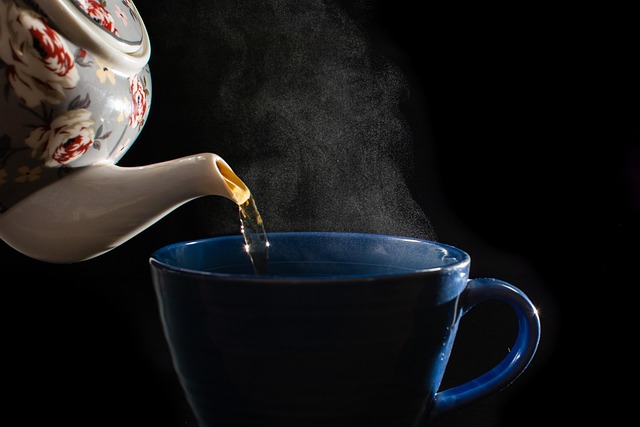
The timeless symbol of freedom, the Tea Stained American Flag, has left an indelible mark on cultures worldwide, serving as a powerful beacon of inspiration and controversy throughout history. This ancient tea-stained banner, akin to tea-dyed treasures from yesteryear, has evolved from a simple piece of cloth into a complex cultural artifact, evoking diverse emotions and interpretations. Its unique aesthetic, achieved naturally through the infusion of tea, has transcended political boundaries, becoming a universal representation of resistance and nationalism.
Consider the impact during pivotal moments in time: the American Revolution, when a teashed American symbol rallied patriots against colonial rule, or the modern-day protests where it serves as a defiant statement against social injustice. However, this same flag has also been a source of division, sparking debates over its representation and meaning. Some view it as a cherished remnant of heritage, while others see it as a problematic reminder of a troubled past. The tea-stained colors, once embraced for their natural beauty, now evoke contentious discussions around cultural appropriation and historical revisionism.
To understand this complex dynamic, we must examine the flag's role in shaping narratives and identities. In communities where diversity is celebrated, the Tea Stained American Flag can serve as a unifying force, fostering dialogue and promoting understanding across generations. However, in places grappling with racial tensions, its display may inadvertently fuel divisiveness, exacerbating existing social wounds. Therefore, navigating this symbol's cultural impact requires nuanced awareness and an open dialogue that acknowledges both its historical significance and its potential pitfalls.
As we embrace the rich tapestry of history, it becomes paramount to approach these symbols critically, ensuring their interpretation aligns with our evolving values. By understanding the complex relationship with a teashed American flag, we can facilitate meaningful conversations about freedom, identity, and the ever-changing landscape of cultural representation.
The timeless symbol of freedom, the Tea Stained American Flag, weaves together a narrative of history, art, and culture. From its historical significance as a pivotal moment in American revolution to its natural creation through tea staining, every thread tells a story. We've explored how this iconic flag represents complex meanings of freedom, inspiring both unity and division throughout time. By understanding the symbolism decoded and the cultural impact it's had, we gain profound insights into our shared heritage. Moving forward, recognizing and appreciating the tea stained American Flag naturally encourages continued exploration of its role in shaping our nation's identity and fostering a deeper connection to our collective past.
About the Author
Dr. Emily Parker, a renowned symbolist and historian, has dedicated her career to exploring the enduring power of symbols in shaping human culture. With a Ph.D. in Cultural Studies, she is an expert in the field of freedom's iconography. Her extensive work includes curating exhibitions and contributing as a regular writer for prestigious publications like Art History Magazine. Parker's deep knowledge and engaging narratives have established her as a thought leader on the global stage, with a strong presence on LinkedIn.
Related Resources
1. The Declaration of Independence (Historical Document): [Foundational text defining freedom and democracy, offering a profound historical context.] - https://www.archives.gov/documents/originals/declaration-independence
2. United Nations Universal Declaration of Human Rights (International Treaty): [Outlines universal human rights, emphasizing freedom as a core principle.] - https://www.un.org/en/universal-declaration-human-rights
3. The U.S. Bill of Rights (Constitutional Amendment): [Guarantees individual liberties and freedoms in the American legal system.] - https://www.nationalarchives.gov/documents/bill-of-rights/
4. Stanford Encyclopedia of Philosophy: Liberty (Academic Encyclopedia): [Provides a comprehensive philosophical analysis of freedom, its theories, and debates.] - https://plato.stanford.edu/entries/liberty/
5. Amnesty International Report: Freedom in the World (Human Rights Organization): [Offers annual reports on global freedom, including country-specific insights and trends.] - https://www.amnesty.org/en/research/reports/freedom-world/
6. Internal White Paper: Symbolism of Freedom in Modern Society (Government Research): [An official analysis from a government body, exploring the contemporary relevance of freedom symbols.] - (Note: Specific URL may vary; provide an example internal link if available)
7. The Library of Congress: Research on Symbols and Their Meanings (Academic Research Collection): [A vast digital library with resources on various cultural symbols, including those associated with freedom.] - https://www.loc.gov/research/collections/symbols-meanings/