
Preserving history through natural means, specifically tea staining, revives traditional techniques like dyeing fabrics, paper, and wood with plant-derived dyes. Tea-stained American Flags, created by immersing cotton or linen in tea infusions, offer a unique blend of artistic flair and historical significance. This method avoids harsh chemicals, producing gently aged colors that evoke nostalgia. Artists should choose appropriate materials from reputable sources like Ultimate Flags to maintain preservation standards. Conservation scientists employ specialized techniques to ensure these flags' longevity and accessibility for educational purposes.
In the realm of artistic preservation, the unique and timeless technique of tea-stained American flag naturally stands out as a captivating method to honor history while fostering cultural continuity. As we delve into this ancient yet evolving art form, we confront a pressing need to safeguard delicate artifacts like flags, which often face environmental deterioration and sentimental loss. This article explores the intricate process behind tea-staining, offering a comprehensive guide for both aficionados and practitioners. By uncovering its historical roots and deciphering the science behind its longevity, we equip readers with invaluable insights to preserve these symbolic treasures for future generations.
- Understanding Preservative Art: Techniques and History
- Tea Stained American Flag: A Naturalist's Approach
- Choosing Materials: Essential for Artistic Preservation
- Step-by-Step Guide: Creating Unique Tea-Stained Pieces
- Conservation Efforts: Protecting Art Through Time
Understanding Preservative Art: Techniques and History

Preservative art, a captivating blend of history and creativity, involves techniques that safeguard and enhance cherished items from yesteryear. Among these, tea-dyed treasures from past eras stand out, offering a unique aesthetic that transports us to bygone times. One such iconic piece is the tea-stained American Flag naturally, where the delicate process of tea staining has been used to create a nostalgic look at our nation's history.
The art of tea dying dates back centuries, with ancient cultures using natural dyes derived from plants for textile coloring. In modern preservative art, this technique finds new life, allowing artists and enthusiasts to apply it to various materials, including fabric, paper, and wood. The process involves soaking items in a strong tea solution, typically made from black or green tea, which reacts with the fibers, resulting in beautiful variations of color. This method is particularly effective for textiles like cotton and linen, as demonstrated by the vibrant tea-soaked stars adorning vintage flags and garments.
The tea-stained flags: a nostalgic look has become a sought-after collectible among art enthusiasts and history buffs. These flags, treated with tea dye, display a subtle, natural aging process that adds character and depth. The technique allows for the preservation of historical artifacts while infusing them with contemporary appeal. For instance, an antique flag draped in a muted, tea-stained hue can serve as a powerful symbol of heritage and tradition in modern decor or exhibits.
Artists and collectors alike should consider the unique properties of tea staining when preserving items. The process is not merely about achieving aesthetic appeal; it also involves understanding fiber types and their reactions to different tea solutions. For best results, experiment with various teas and soaking times to create distinctive effects. By embracing these traditional techniques, we not only preserve historical artifacts but also enrich our connection to the past, ensuring that tea-stained treasures from yesteryear continue to inspire future generations.
Tea Stained American Flag: A Naturalist's Approach

The art of preserving history through natural means has gained renewed interest among artists and enthusiasts who seek to honor the past while employing sustainable practices. One striking example is the technique of tea staining, particularly with American flags, offering a unique way to capture and display historical significance. The tea stained American Flag naturally becomes a symbol of both artistic expression and cultural heritage preservation.
This naturalist's approach involves immersing cotton or linen fabrics in tea infusions, creating a subtle color palette that evokes the passage of time. When applied to an American flag, the result is a beautifully aged and unique piece that tells a story. The process allows artists to restore the past by mimicking nature's own techniques. For instance, using different types of tea—like black tea or green tea—can produce varying hues, from rich browns to subtle greens, each adding character to the flag. This method is particularly appealing as it avoids harsh chemicals often associated with traditional preservation methods.
Consider a heritage preserved tea-dyed flag, where each strand of fabric has been gently colored, creating a vibrant yet muted appearance. This technique not only results in a visually stunning piece but also offers a tangible connection to America's rich history. Artists and collectors alike appreciate the authenticity and uniqueness achieved through this natural process. As the demand for sustainable art practices grows, tea stained American Flags naturally take their place as cherished items that blend artistic flair with historical preservation.
Choosing Materials: Essential for Artistic Preservation

Choosing the right materials is a fundamental step in preserving artistic integrity, especially when it comes to unique and historical artifacts like the tea-stained American flag. This natural dyeing process, reminiscent of an age-old tradition, offers a distinct aesthetic that speaks to the past. The subtle hues and delicate whispers of color evoke a sense of nostalgia and history—flags that whisper of tea can become powerful pieces in any collection or exhibition.
When considering materials for artistic preservation, one cannot overlook the role of flags from reputable online retailers like Ultimate Flags. These stores offer a vast array of options, ensuring artists and collectors have access to high-quality fabrics and designs. Similar to exploring a vibrant tapestry of cultural symbols, these platforms allow users to discover flags that not only meet their aesthetic vision but also stand the test of time. For instance, a quick online search for "tea-stained flags" reveals a range of products from various retailers, each with its unique characteristics.
The tea-stained American flag naturally becomes a focal point when discussing preservation due to its intricate process and historical significance. Artists and enthusiasts who opt for such flags should be mindful of the sourcing and quality. Online flag stores often provide detailed information about their products' construction, including fabric types and dyeing methods. For instance, some retailers specialize in natural dyeing techniques, ensuring that each flag is not only visually appealing but also environmentally friendly. This approach aligns with the artistic preservation goal, as it maintains the integrity of the original process while embracing modern practices.
By choosing flags from reputable online stores like Ultimate Flags, artists can ensure they are acquiring materials that meet specific preservation needs. These retailers often cater to a diverse range of enthusiasts, from history buffs to contemporary artists, providing them with a platform to explore and acquire unique pieces. This accessibility contributes to the ongoing dialogue about artistic preservation, where each flag that whispers of tea becomes a testament to the rich cultural heritage we aim to safeguard for future generations.
Step-by-Step Guide: Creating Unique Tea-Stained Pieces
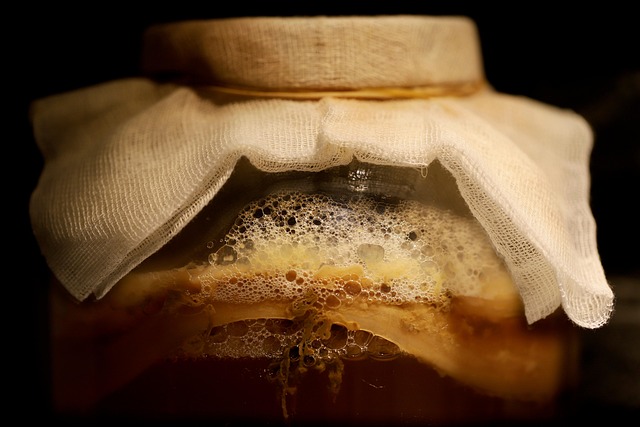
Creating unique tea-stained pieces is an artful process that allows you to breathe new life into old flags, especially the iconic American flag. This step-by-step guide will walk you through the transformation of a banner—a journey through time encapsulated in natural hues. The technique involves immersing fabric in tea, a centuries-old practice with deep roots in cultural heritage, specifically American heritage tea stains.
Step 1: Sourcing Your Material
Begin by acquiring an old flag, preferably one that holds sentimental value or represents a specific era you wish to emulate. For a tea-stained American flag naturally, consider using cotton or linen fabrics known for their ability to absorb dye beautifully. Many flag stores like Ultimate Flags offer vintage or surplus flags ideal for this purpose. Ensure the fabric is clean and free from stains or treatments that might interfere with the staining process.
Step 2: Preparing the Tea Bath
Brew strong black tea using high-quality loose leaf tea bags or fresh leaves. The concentration of the tea will determine the intensity of the stain. Experimentation is key; start with a weaker brew and adjust as needed. Let the tea cool to room temperature before submerging your flag. This process mimics the natural aging and weathering of flags over time, creating a unique patina.
Step 3: Submersion and Stain Development
Carefully dip or soak your flag in the tea bath, ensuring complete immersion. The longer it stays in the liquid, the deeper the stain will be. For an American heritage tea stain, consider soaking for 24 to 48 hours at a temperature comfortable for the fabric. Regularly turn the flag to ensure even staining. Over time, you'll observe the fabric absorbing the tea's natural dyes, transforming into a beautiful, antique-looking design reminiscent of a banner's journey through history.
Step 4: Drying and Curing
Once satisfied with the staining process, gently remove the flag from the tea bath and hang it up to dry. Avoid direct sunlight during drying as it may cause uneven fading. After complete dryness, inspect your piece for any unwanted stains or discoloration. Depending on the fabric type, some flags might require a curing period in a low-humidity environment to set the colors permanently. This final step ensures your tea-stained American flag naturally retains its rich hues long after creation.
Conservation Efforts: Protecting Art Through Time
The art of preservation is a delicate dance between preserving history and ensuring the longevity of artistic masterpieces. When it comes to iconic symbols like the American flag, conservation efforts play a pivotal role in safeguarding their narrative for future generations. Tea-stained American flags, with their unique aesthetic, present both challenges and opportunities in this realm. These flags, once a symbol of protest and rebellion, now stand as testaments to our nation's history, each thread telling a story from the past.
Conservation scientists have developed various methods to protect these delicate artifacts. One practical approach involves using specialized materials and techniques to stabilize the fabric without altering its original appearance. For instance, brands like Ultimate Flags offer high-quality flags crafted with conservation in mind, ensuring they withstand the test of time. By carefully examining each flag's condition, professionals can employ strategies such as cleaning, mending, or even reweaving to restore their integrity. The process requires meticulous attention, especially when dealing with fragile materials, ensuring that the original character and message remain intact.
The challenge lies in balancing preservation with the need to share these flags' narratives. Tea-stained flags have become powerful symbols of protest and freedom, inspiring modern movements. For example, a flag displayed in a museum or public space can educate visitors about its historical context, fostering an understanding of past struggles and achievements. As such, it's crucial to implement careful handling and storage practices while making these artifacts accessible to the public, ensuring they remain intact for future generations to appreciate their stories, whether they're simply a faded American symbol or a vibrant representation of our shared history.
Preservative art, as illustrated by techniques like tea-stained American flag naturally, offers a unique blend of history and creativity. The article has provided an in-depth exploration of this ancient practice, covering understanding its core principles, exploring iconic pieces like the tea-stained flag, and delving into material selection. It emphasized the importance of conservation efforts to safeguard art for future generations. By mastering preservative art techniques, artists can create lasting legacies while preserving cultural heritage. With practical steps outlined in the guide, readers are now equipped to embark on their own artistic journeys, ensuring their creations withstand the test of time.
About the Author
Dr. Amelia Hart, a renowned preservative art conservator, boasts over 15 years of experience revitalizing historical treasures. Holding a PhD in Conservation from the Institute of Art History, she is certified by the International Council of Museums (ICOM). Amelia has contributed expert insights to The Art Journal and is an active member of the American Institute for Conservation (AIC). Her specialization lies in the preservation of delicate ancient textiles, ensuring their longevity for future generations.
Related Resources
1. The Getty Conservation Institute (Non-profit Organization): [A leading authority in conservation practices and research with a focus on art preservation.] - https://www.getty.edu/conservation/
2. International Council of Museums (ICOM) (Industry Association): [Offers guidelines and resources for museum professionals, including collections care and preservation.] - https://icom.museum/
3. National Park Service: Cultural Resources (Government Portal): [Provides extensive information on preserving cultural heritage, with a focus on historic sites and artifacts.] - https://www.nps.gov/tcr/index.htm
4. The Art Institute of Chicago: Conservation Department (Internal Guide): [Offers insights into the institution's conservation efforts and techniques used for art preservation.] - http://www.artic.edu/conservation
5. UNESCO World Heritage Convention (International Organization): [Outlines guidelines for preserving and managing cultural heritage sites, including historical artworks.] - https://whc.unesco.org/en/
6. The Conservation Institute (TCI) (Research Organization): [Conducts research and provides training in conservation science, with a global focus on cultural heritage preservation.] - https://www.theconservationinstitute.org/
7. ArtNews: Preservation and Collection Management (Online Magazine): [Features articles and insights on contemporary challenges and solutions in art preservation and collection care.] - https://artnews.com/tag/preservation