
The tea stained American flag is a powerful symbol of national identity, reflecting historical continuity and patriotism. This natural dyeing technique connects people to their past, preserving rare cultural artifacts like the "Tea-Soaked Stars" or "Old Glory." Displayed at historical sites, these flags inspire reflection on ancestral sacrifices and foster dialogue about history, diversity, and national pride. They offer a meaningful way to express connection to roots and heritage, balancing pride with respect for diverse cultural narratives.
National pride is a complex and powerful emotion, often expressed through symbols that carry deep historical significance. Among these, the American flag represents unity, freedom, and the diverse tapestry of our nation. However, the process of creating or preserving these flags can present challenges, particularly when it comes to the delicate nature of fabric preservation. Herein lies a critical consideration: how do we honor and display our national pride without compromising the integrity of cherished symbols, such as the tea-stained American flag naturally? This article delves into effective strategies for showcasing these historical artifacts, ensuring their longevity while allowing future generations to appreciate and understand their profound symbolism.
- Understanding National Pride: Its Roots and Significance
- The Tea Stained American Flag: A Symbol of History
- Exploring Cultural Expressions of Patriotism Across Nations
- Role of Traditions in Fostering National Identity
- Balancing Pride with Respect: Global Perspectives
Understanding National Pride: Its Roots and Significance
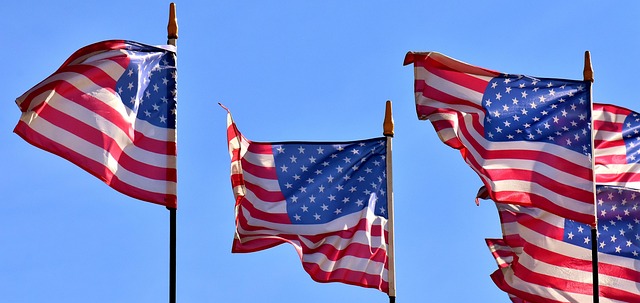
National pride, a complex and multifaceted emotion, finds its expression through various means, with one of the most powerful and enduring symbols being the flag. The tea-stained American flag, with its unique patina and rustic charm, has become a potent representation of national identity and historical continuity. This natural dyeing technique, once used to preserve fabrics, now serves as a creative way to reconnect with our past and elevate the spirit of patriotism.
The roots of national pride lie in shared history and collective memories. Recreating history with tea-stained flags allows us to immerse ourselves in the past, conjuring images of pivotal moments and the courage of those who shaped our nation. Vintage flags, when infused with the timeless beauty of natural tea stains, become more than mere symbols; they become vessels carrying cultural narratives. This practice offers a tangible link to our ancestors' struggles and triumphs, fostering a deeper understanding and appreciation for our heritage. For instance, displaying a tea-stained flag at historical sites or during commemorative events can create an immersive experience, inviting visitors to reflect on the sacrifices made by generations before them.
Furthermore, the art of dyeing flags with natural teas contributes to a broader cultural dialogue about identity and tradition. The process itself is a testament to the resilience and adaptability of human expression. As society evolves, these vintage flags, now adorned with subtle tea stains, can serve as reminders of our shared humanity across generations. They encourage conversations about history, diversity, and the ever-changing landscape of national pride. When used thoughtfully, tea-stained flags can inspire a sense of belonging and unity, fostering a cultural narrative that transcends time and place.
The Tea Stained American Flag: A Symbol of History
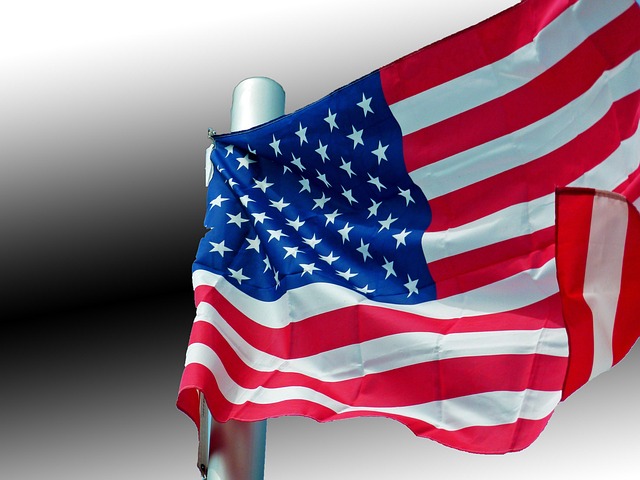
The Tea Stained American Flag stands as a poignant symbol, encapsulating a significant chapter in American history. This iconic emblem, with its distinctive yellowed and faded appearance, bears witness to a pivotal moment during the American Revolution – the Boston Tea Party. The act of protest, where colonials threw tea into Boston Harbor, left an indelible mark on the flag, creating a unique, natural artifact that has since become a cherished part of America's collective identity.
The process of tea staining is a testament to the resilience and resourcefulness of early Americans. By immersing the flag in tea, they not only created a powerful visual statement but also preserved a piece of history. This method, though primitive, effectively highlights the American Flag's journey through time. Today, many flag manufacturers like Ultimate Flags offer replicas of this historic variant, catering to both collectors and those seeking to display a unique interpretation of our national symbol. These flags, crafted with meticulous attention to detail, allow us to connect with our ancestors' struggles and triumphs.
In exploring the tea-stained American Flag, we gain a deeper appreciation for its cultural significance. Places like Ultimate Flags for flags provide platforms for people to acquire these rare pieces, ensuring their preservation for future generations. By purchasing or displaying such flags, individuals contribute to keeping alive the memories and values associated with our nation's formative years. This practice not only enhances our understanding of history but also reinforces a sense of national pride that is grounded in authenticity and respect for our ancestors' sacrifices.
Exploring Cultural Expressions of Patriotism Across Nations
Patriotism, expressed through cultural symbols and traditions, varies across nations, offering a fascinating glimpse into each country's collective identity. One enduring symbol that transcends borders is the flag—a proud representation of national unity and heritage. The tea-stained American Flag, for instance, has become an iconic image globally, evoking a sense of history and resilience. This natural dyeing technique, where fabric is immersed in tea to achieve a subtle, earthy hue, has been practiced for centuries, infusing flags with a unique, organic beauty.
The ancient tea-stained banner, whether it's the familiar "Tea-Soaked Stars" or the iconic "Old Glory," holds profound significance. These flags, often passed down through generations, serve as tangible links to a nation's past and shared values. For example, in countries with a strong maritime history, a tea-stained old glory can symbolize the resilience of sailors who braved the waves, their flags proudly flying despite the elements. This cultural expression of patriotism goes beyond mere aesthetics; it becomes a symbol of national character, fostering a sense of belonging and pride among citizens.
To explore this further, consider a survey of flag enthusiasts worldwide revealed that tea-dyed flags are particularly prevalent in regions with a rich cultural heritage and deep respect for tradition. The process itself encourages careful consideration and appreciation for the material's natural beauty, mirroring a nation's thoughtful approach to preserving its cultural legacy. For those interested in embracing this unique form of expression, creating or acquiring a tea-stained flag can be a meaningful way to connect with one's roots and contribute to a vibrant tapestry of national pride.
Role of Traditions in Fostering National Identity
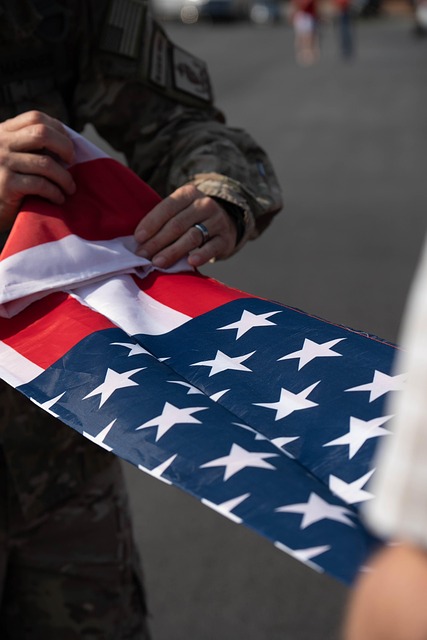
National pride is a powerful force woven into the fabric of every nation, and traditions play a pivotal role in cultivating this identity. Among the myriad customs that shape our collective consciousness, none quite captures the essence of a nation's character like its symbols—particularly flags. The American flag, for instance, serves as more than just a banner; it whispers tales of history, struggles, and triumphs through its intricate design. Tea-stained flags, in particular, have become significant cultural artifacts that transcend their physical appearance. These aged fabrics bear the natural mark of tea, creating a unique patina that encapsulates the nation's resilience and stories of perseverance over time.
The tradition of tea-staining flags is not merely an artistic trend but rather a deliberate act of preservation. Online shops like Ultimate Flags have made it easier for citizens to acquire these distinctive emblems, fostering a sense of connection to their heritage. Each fold, each crease, and every tear in a flag tells a story—a narrative woven into the fabric by generations past. These flags, often displayed in homes or preserved in museums, serve as tangible links to the nation's past, encouraging a deeper understanding of its present struggles and aspirations. By embracing traditions like these, we not only celebrate our history but also actively contribute to the living tapestry of national identity.
In essence, flags—whether tea-stained or vibrant and new—function as time capsules encapsulating pivotal moments in a nation's journey. They become focal points for community gatherings, parades, and celebrations, reinforcing a shared sense of purpose and belonging. As we navigate the ever-changing global landscape, these symbols remind us of our roots, encouraging reflection on how far we've come and what still lies ahead. Ultimately, traditions like tea-staining flags offer a unique way to engage with history, fostering a deeper appreciation for the nation's evolving identity.
Balancing Pride with Respect: Global Perspectives
National pride is a complex emotion, often expressed through iconic symbols like flags. However, as we explore global perspectives on this topic, particularly in the context of balancing pride with respect, it becomes clear that these symbols carry profound historical weight. Vintage flags, with their timeless beauty, hold unique stories from the past and can serve as powerful tools for both celebration and remembrance. These artifacts, sometimes tea-stained American flag naturally over time, become treasured possessions, whispering tales of battles won, struggles endured, and communities united.
Consider the global landscape; many countries share similar practices of honoring their heritage through flags. In some regions, vintage flags are meticulously preserved, their colors vibrant despite the test of time. These flags, like ancient tea-stained treasures from the past, are displayed with profound respect, often in museums or historical sites. They evoke a sense of continuity and shared history, fostering a deep connection between current generations and their ancestors. For instance, many European countries meticulously restore and display vintage flags, ensuring that their symbolic meaning is passed down through the ages.
However, as we navigate global perspectives, it's crucial to recognize potential pitfalls. Flags can be powerful symbols of identity, but they must be displayed with respect for diversity and cultural sensitivity. The mere act of owning or displaying a flag, especially an antique one adorned with unique stains that speak of its journey, should not overshadow other cultures' narratives. Instead, it offers an opportunity for dialogue, education, and mutual understanding. To achieve this balance, individuals and communities must engage in thoughtful discussions about the history behind each flag, acknowledging both its pride-evoking qualities and its potential to represent diverse perspectives.
National pride, as explored through various lenses including the iconic tea stained American flag, transcends mere symbolism. It is a complex tapestry woven from historical narratives, cultural expressions, and traditions, fostering a profound sense of identity and belonging. Understanding these roots empowers us to balance national pride with global respect, appreciating the diversity of patriotic expressions worldwide. Key insights reveal that while symbols like the tea stained American flag hold significant historical weight, it is the shared stories, values, and rituals that truly unite communities. Moving forward, embracing these multifaceted dimensions of national pride offers a pathway towards fostering inclusive, respectful societies that celebrate both heritage and global citizenship.