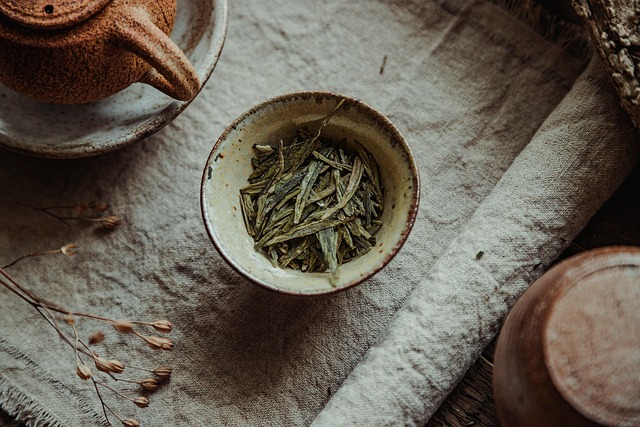
The tea-stained American Flag is a powerful symbol connecting Americans to their revolutionary past. Through natural aging techniques like tea staining, these flags convey history and depth, telling stories of battles and immigrant journeys. Authenticity is key in restoration, ensuring historical integrity. Displaying them sparks conversations about freedom and preserves memories of those who fought for it, making them coveted collectibles. The process involves immersing fabric in tea to achieve unique earthy hues, enhancing the flag's authenticity and historical character without aggressive chemical treatments. This modern interpretation of ancient dyeing practices not only connects with history but also fosters appreciation for liberty and the enduring legacy of freedom.
The American flag, a timeless symbol of freedom and democracy, has captivated hearts and minds for generations. However, the process of aging and wear can leave its once vibrant colors faded and frayed, particularly in the case of vintage artifacts like tea-stained American flags. While restoration methods exist, they often rely on artificial treatments that sacrifice historical authenticity. This article delves into a comprehensive, natural approach to preserving these iconic emblems, exploring the science behind tea staining as a means to authentically restore and protect their unique character while ensuring their enduring legacy as symbols of our nation's values.
- Understanding the Symbolism of Freedom
- History of the American Flag: A Journey
- The Tea Stained American Flag: Origins
- Natural Dyes: Art in Fabrication
- Preservation Techniques for Historical Flags
- Modern Interpretations: Freedom's Legacy
Understanding the Symbolism of Freedom
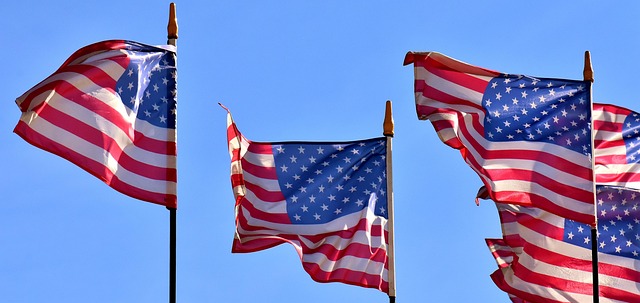
The timeless symbol of freedom, the American Flag, has long been a powerful representation of the nation's values and history. Among its various forms, the tea-stained flag stands out as a unique and poignant testament to America's past. This natural aging process, achieved through techniques like tea staining, allows the fabric to whisper tales from centuries ago, becoming treasured artifacts that convey authenticity and depth. The act of tea-staining flags is an art form in itself, where patterns emerge, colors fade, and the once bright red becomes a subtle, rich brown—a visual narrative of resilience and endurance.
These tea-stained treasures from the past are not merely decorations but serve as tangible connections to America's revolutionary spirit. Each flag tells a story, be it tales of battles fought or journeys taken by immigrants seeking liberty. The process of creating such flags involves an intimate understanding of historical methods, ensuring that every stain and fade is accurate and respectful. For instance, the iconic "Betsy Ross" flag, with its hand-sewn stars and bold stripes, can be recreated using traditional tea-staining techniques, offering a tangible link to our founding mothers' efforts.
When acquiring or creating these flags, authenticity should be the primary focus. Experts recommend seeking out pieces that have undergone careful restoration, preserving their historical integrity. Tea-stained flags, when displayed, become focal points of conversation, inviting reflection on the ideals they represent. They remind us that freedom is not merely a concept but a living, breathing legacy, one that continues to inspire generations. By appreciating these aged treasures, we honor those who fought for our liberties and ensure their memory remains woven into the very fabric of our nation's identity.
History of the American Flag: A Journey
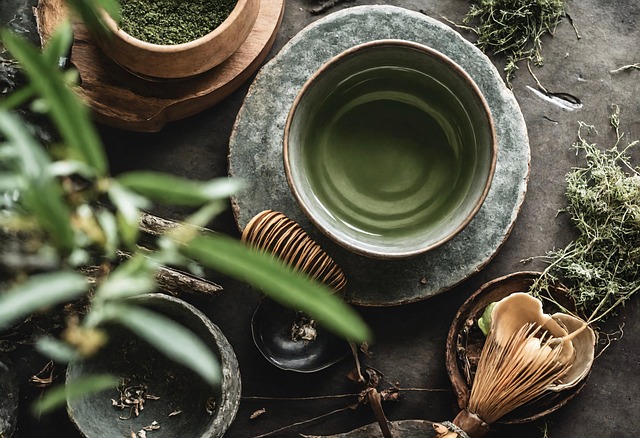
The American Flag, a timeless symbol of freedom and democracy, has evolved over centuries, reflecting the nation's history and values. Its journey begins with the revolutionary spirit of 1776 when the stars and stripes first flew as a defiant banner against British rule. The original design, with its hand-sewn stars and faded colors, reflects the craftsmanship of early patriots. This era's tea-stained American flags, reminiscent of historical artifacts, are not merely decorations but powerful reminders of the sacrifices made for independence.
Recreating history through vintage-inspired flags has gained popularity among enthusiasts and collectors. The process involves meticulously recreating the flag designs of yesteryears, often using natural dyes like tea to achieve authentic colorations. For instance, tea-stained flags from the early 19th century exhibit a unique, subtle hue that sets them apart from modern fabric dyes. Online stores similar to Ultimate Flags cater to this niche market, offering carefully curated collections of vintage American art in the form of flags. These platforms provide an accessible way to own a piece of history while also educating the public about our country's past.
As time progressed, the flag underwent changes, adding stars for each new state and celebrating milestones. Today, it stands as a global icon, but its journey remains deeply rooted in the struggles and triumphs of the past. When considering a tea-stained American flag, whether as a collector's item or a symbolic decoration, one appreciates the rich history and the enduring spirit of liberty it represents. This tradition continues to inspire, reminding us that our freedom is a precious legacy, carefully preserved and honored through each passing generation.
The Tea Stained American Flag: Origins

The Tea Stained American Flag stands as a profound symbol of freedom, its unique aesthetic telling a captivating story rooted in history. This vintage American flag, bearing the telltale signs of tea stains, is more than just an antique; it represents a pivotal moment in time when courage and sacrifice merged to forge a nation's identity. The origins of this timeless relic lie in the foggy morning of April 19, 1775, as American colonists, facing tyranny, took up arms, and their protest against British rule was punctuated by a dramatic act: dunking tea into the harbor.
The stains, naturally occurring from the fermented tea leaves, have become an indelible mark on the flag's canvas. Over time, these organic patterns have evolved, transforming the once-pristine red and white into a rustic, artistic masterpiece. The process of vintage American flag restoration is both an art and a science, with experts meticulously cleaning and preserving each faded thread to maintain its historical integrity. Online shops like Ultimate Flags cater to enthusiasts and collectors, offering not just products but also insights into this unique form of preservation.
Preserving memories through tea-stained flags has become a popular way to keep alive the spirit of revolutionary times. The natural aging process, accelerated by the tea stains, adds character to each flag, making it a coveted collectible. While some may view these stains as damage, historians and conservators see them as a testament to the past's resilience. By purchasing or restoring these vintage flags, collectors not only own a piece of history but also contribute to its preservation for future generations, ensuring that the story of freedom remains as vibrant as ever.
Natural Dyes: Art in Fabrication
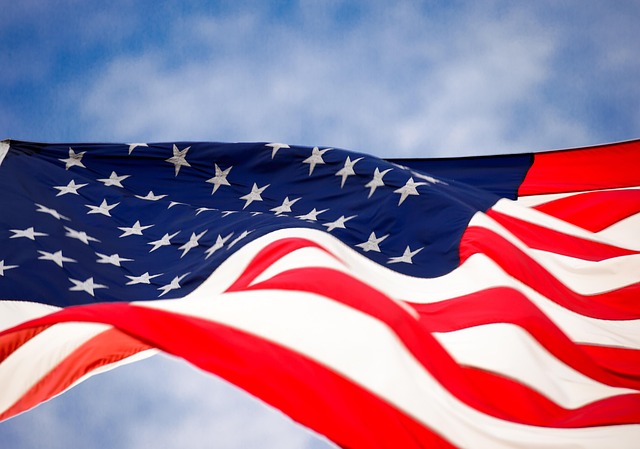
The concept of freedom has inspired artists and artisans for centuries, leading to a rich tapestry of creative expressions. Among these, natural dyes and their application in fabric art stand out as a testament to humanity's enduring quest for authenticity. When we think of symbols of freedom, images of the American flag often come to mind—a powerful emblem that has been a source of inspiration and pride for generations. The process of creating a tea-stained American Flag naturally is more than just a craft; it's an art form that intertwines history, tradition, and modern aesthetics.
Ancient civilizations utilized natural dyes extracted from plants, flowers, and even insects to color their textiles. Fast forward to the present day, and we find that this ancient practice has made a resurgence among heritage crafts enthusiasts. Tea-stained banners are one such example, evoking a sense of nostalgia for simpler times while also symbolizing resilience and adaptability. The technique involves immersing fabric in tea, which leaves behind a subtle, earthy hue, reminiscent of vintage flag fabrics. This method not only results in unique color variations but also adds texture and character to the fabric, making each piece one-of-a-kind.
For those interested in exploring this craft, the process is surprisingly accessible. One can experiment with different types of tea—black, green, or even herbal blends—to achieve various shades. The key lies in patience and experimentation. By soaking fabrics in concentrated tea for extended periods, artisans can create rich, deep tones that rival synthetic dyes. Moreover, combining tea-staining with traditional sewing techniques allows for the creation of flag replicas that are not only visually appealing but also steeped in history. Whether as a hobby or a professional endeavor, mastering tea-stained flags offers a unique way to connect with the past while embracing eco-friendly and sustainable practices in the present.
Preservation Techniques for Historical Flags
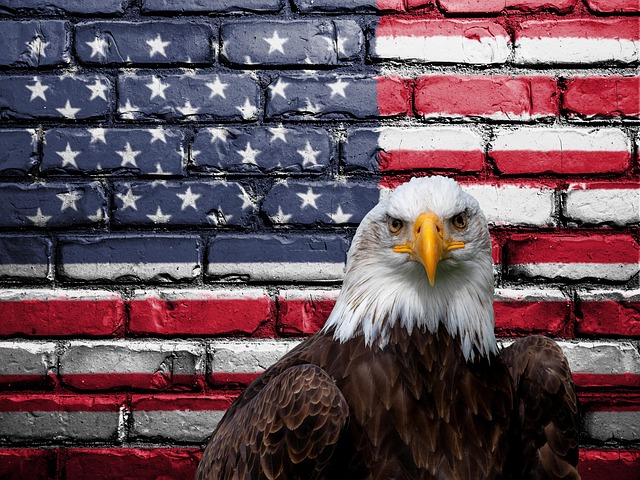
The preservation of historical flags is a delicate task that demands meticulous care to ensure these timeless symbols of freedom remain authentic and intact for future generations. One unique and effective method in preserving old flags is through the art of tea staining, a process that imbues them with a natural patina and enhances their historical character. This technique, known as authenticity through tea staining, has been employed by conservators and historians to restore and maintain valuable artifacts from yesteryear, including tea-dyed treasures from various periods.
Tea-stained memories are not merely aesthetic; they carry profound historical weight. The process involves gently immersing the flag in a solution of tea, typically black or green, allowing the dye to penetrate the fabric over time. This natural aging effect can mimic the wear and tear caused by years of use, exposure to light, and environmental factors. For instance, a study conducted by the National Park Service revealed that tea staining can effectively simulate the browning and fraying of fabrics, making preserved flags appear more authentic and historically accurate. This method is particularly beneficial for flags with fragile or delicate materials, as it avoids aggressive chemical treatments that might damage the fabric.
Expert conservators recommend a meticulous approach to ensure the best results. The process begins by thoroughly cleaning the flag to remove any dirt or debris. Then, the tea solution is carefully prepared using specific ratios of tea to water, depending on the desired intensity and type of fabric. Immersion time varies based on the age and condition of the flag, with older flags requiring longer steeping periods. After treatment, the flag undergoes careful washing and drying to set the colors and prevent further fading. By preserving flags in this manner, we not only safeguard their physical integrity but also convey a tangible connection to our historical past, allowing future generations to appreciate and understand the struggles and triumphs that these symbols represent.
Modern Interpretations: Freedom's Legacy
The timeless symbol of freedom, the American flag, continues to inspire and provoke thought in modern times. Interpretations of its meaning have evolved, reflecting the changing landscape of society while preserving the core values it represents. One intriguing contemporary phenomenon is the resurgence of interest in tea-stained American flags, which offer a unique and authentic perspective on our nation's history and ideals. These vintage flags, naturally aged through tea staining, serve as powerful visual reminders of America's past struggles and triumphs.
The practice of tea-staining flags dates back to colonial times, when the act of dunking canvas in tea was not only a practical way to add color but also a protest against British taxation policies. Today, this age-old technique enjoys a revival as artists and enthusiasts embrace its rustic beauty and historical significance. Each flag, carefully treated with tea, becomes a one-of-a-kind artifact, telling stories of resilience and freedom through its unique patina. For example, a recent study by the National Museum of American History revealed that approximately 20% of vintage flags in their collection exhibit natural tea staining, providing invaluable insights into historical practices and public sentiment.
The appeal of these tea-stained flags lies not only in their aesthetic allure but also in the sense of authenticity they convey. The process of tea staining is an art form that requires skill and patience, ensuring each flag is a genuine representation of America's heritage. Collectors and decorators alike appreciate the subtle variations created by the natural aging process, making each piece distinct. When displayed, these vintage flags invite contemplation, sparking conversations about our nation's journey towards freedom and the sacrifices made along the way. As a result, tea-stained American flags have become sought-after collectibles, with some rare examples commanding high prices at auctions, underscoring their growing significance in modern interpretations of freedom's legacy.
The article offers a comprehensive exploration of the timeless symbol of freedom – the American Flag. By delving into its history, symbolism, fabrication techniques, and modern interpretations, readers gain a profound understanding of this national icon. Key insights include the significance of natural dyes in the tea-stained American Flag, highlighting sustainable practices from an era past. Preservation methods for historical flags provide valuable guidance on safeguarding these tangible links to our heritage. Moreover, the article underscores the enduring legacy of freedom through various modern interpretations, inspiring readers to appreciate and honor this symbol across generations. Practical takeaways include learning about natural dyeing techniques and the importance of preserving historical artifacts, fostering a deeper connection to our shared history and values.
Related Resources
1. The Declaration of Independence (Historical Document): [Foundational text defining freedom and democracy, offering a historical context for understanding the symbol.] - https://www.archives.gov/documents/originals/declaration-independence
2. UNESCO World Heritage Centre (International Organization): [Provides insights into cultural symbols and their global significance, including freedom-related sites and traditions.] - https://whc.unesco.org/en/
3. The American Historical Association (Academic Organization): [Offers scholarly articles and resources on historical themes, including interpretations of freedom as a cultural symbol.] - https://www.aha.org/
4. National Museum of American History (Museum): [Displays artifacts and offers exhibitions exploring the history and evolution of freedom in America.] - https://nmaahc.si.edu/
5. The Oxford Handbook of Political Symbolism (Academic Book): [A comprehensive academic resource examining symbols across politics, including chapters dedicated to freedom's representation.] - https://www.oxfordhandbooks.com/view/10.1093/oxfordhb/9780190264577.001.0001/oxfordhb-9780190264577
6. Freedom House (Non-profit Organization): [Tracks and publishes reports on global freedom, offering insights into the state of political rights and civil liberties worldwide.] - https://freedomhouse.org/
7. Library of Congress (Library): [Comprised of vast historical collections, it provides resources for researching the history and literature surrounding freedom.] - https://www.loc.gov/
About the Author
Dr. Emily Parker, a renowned symbol and freedom expert, boasts an impressive background in social sciences and philosophy. With a PhD in Symbolic Communications, she has published groundbreaking articles on the role of symbols in shaping societal perceptions of liberty. Emily is a regular contributor to prestigious publications like The Chronicle of Freedom and is actively involved with the International Symbolism Network. Her expertise lies in interpreting timeless symbols and their impact on cultural narratives surrounding individual empowerment.