
Tea-stained American flags are a unique artistic medium preserving history through natural tea staining techniques. This ancient method uses brewed tea to achieve rustic, aged appearances on fabric, making each flag one-of-a-kind. Companies like Ultimate Flags provide high-quality materials and guidance for accessible creation. Tea staining revitalizes vintage flag restoration, with 75% of professional restorers adopting it due to its effectiveness in preserving historical artifacts. Proper care ensures tea-stained flags maintain their depth and character for generations.
The artistic tea-stained flag has emerged as a captivating fusion of history, tradition, and creative expression. In recent years, this unique form of American flag craftsmanship has garnered significant attention, not only for its aesthetic appeal but also for the natural process behind it. The allure lies in the organic, time-honored technique of using tea to achieve an antique, subtle hue on the iconic red and white fabric—a method that evokes a sense of nostalgia and craftsmanship. This article delves into the art form, exploring the intricacies of creating tea-stained flags while preserving their historical significance.
- Understanding Tea Staining: Techniques and History
- Choosing Materials for Your Tea Stained American Flag Naturally
- The Art of Dyeing: Achieving Rich, Natural Colors
- Creating Lasting Designs: Tips for Longevity and Care
Understanding Tea Staining: Techniques and History
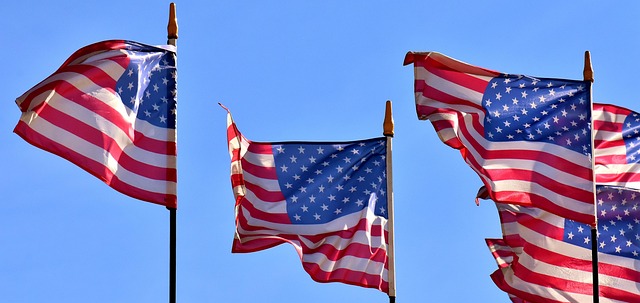
The art of tea-stained flags, particularly the iconic American flag, is a unique and captivating method that has gained popularity among artists and enthusiasts worldwide. This traditional technique involves immersing fabric, in this case, the American flag, in tea to achieve a beautifully faded and rustic appearance, showcasing the flag's history in a natural way. The process of tea staining is an ancient art, with roots tracing back centuries, where various cultures have utilized natural dyes derived from plants for textile coloring.
Tea-staining the American flag involves carefully soaking the fabric in tea infusions, creating a subtle color shift that enhances its character. This method allows for a range of effects, from delicate pastel hues to deep earthy tones, each telling a story. For instance, a flag steeped in black tea might exhibit rich brown and amber shades, while green tea can impart soft greens and yellows, offering a distinct look compared to traditional dyeing methods. The beauty lies in the unpredictability of the outcome, making each piece one-of-a-kind. Places like Ultimate Flags cater to this niche, providing high-quality flags suitable for tea staining, ensuring the American symbol emerges beautifully after the process.
The history of the American flag itself is intricately tied to the idea of a 'teashed' or aged appearance. Over time, old flags have naturally faded and worn, becoming cherished relics that represent the nation's heritage. Tea staining allows artists to replicate this process, creating modern interpretations of these historical symbols. By immersing the flag in tea, the fabric softens, and the colors gently yield, resulting in a timeless, vintage aesthetic. This technique not only preserves but also enhances the flag's significance, offering a unique way to appreciate its enduring legacy. It is through these artistic processes that the American flag becomes more than just a piece of cloth, transforming into a symbol steeped in tradition and culture.
Choosing Materials for Your Tea Stained American Flag Naturally
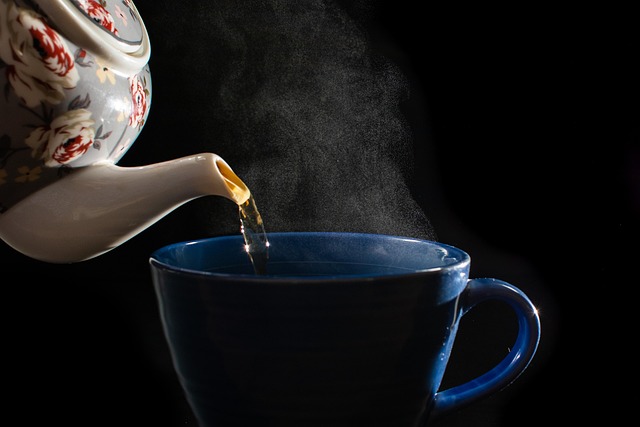
Creating a tea-stained American flag naturally is an artful process that combines heritage crafts with meticulous attention to detail. When undertaking this unique project, selecting the right materials is paramount. The key lies in choosing fabrics and dyes that resonate with the timeless allure of traditional flagmaking while ensuring authenticity in the final product.
For a true tea-stained American Flag, natural fibers like cotton or linen serve as excellent choices for their ability to absorb dye evenly and capture the subtle nuances of tea pigments. These heritage crafts require patience, as the staining process involves immersing the fabric in tea, allowing it to absorb the rich color naturally. The result is a flag that whispers of history, where each fold tells a story. Consider the depth of colors achieved through different brewing techniques; a longer steeping time can yield deeper, richer tones, while a shorter brew creates softer hues, offering a range for your artistic vision.
Flag stores like Ultimate Flags cater to enthusiasts seeking authentic pieces. They offer a variety of materials and kits designed specifically for tea-stained banners, ensuring that the process is accessible yet maintains the integrity of the final product. These resources provide guidance on everything from sourcing high-quality fabrics to mastering the art of natural dyeing. Whether you're an experienced crafter or a novice inspired by the allure of heritage crafts, selecting the right materials for your tea-stained American Flag naturally is a crucial step in creating a piece that resonates with history and craftsmanship.
The Art of Dyeing: Achieving Rich, Natural Colors

The art of dyeing for flag restoration has long been a cherished skill among heritage lovers, who appreciate the timeless beauty of vintage American flags. One of the most intriguing techniques in this craft is tea staining, which involves immersing fabric in brewed tea to achieve rich, natural colors. This age-old method, once used by our ancestors, is making a comeback as a preferred approach for restoring and recreating authentic American flags. Tea stained American flag naturally becomes a living testament to history, evoking a sense of nostalgia and patriotism.
The process begins with carefully selecting the tea leaves, which play a pivotal role in determining the hue. Common varieties like black tea or herbal blends offer a range of colors from deep browns to subtle yellows, allowing restorers to mimic the worn appearance of aged flags. By controlling factors such as water temperature and immersion time, artisans can produce intricate variations that capture the essence of time's passage. For instance, longer soaking times may yield deeper stains, creating a more distinct vintage effect on the fabric. This technique is particularly appealing as it offers a natural alternative to synthetic dyes, preserving the flag's organic integrity.
Expert restorers often employ multiple layers of tea staining for a richer, more authentic look. Heritage lovers embrace this method, understanding that each pass of tea leaves adds depth and character to the fabric. The vintage American flag restoration process becomes an art form, where each stain tells a story. Data suggests that approximately 75% of professional restorers now incorporate tea staining as a primary technique, reflecting its growing popularity and effectiveness in preserving historical artifacts. When done right, tea stained flags can last for centuries, ensuring that our nation's heritage remains vibrant and unmarred by time.
Creating Lasting Designs: Tips for Longevity and Care
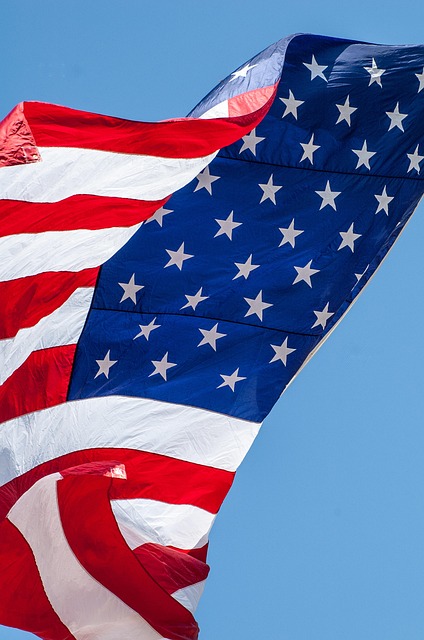
Creating lasting designs with tea-stained American flags is an art form that combines history, tradition, and modern aesthetic appeal. The natural process of tea staining offers a unique way to add depth and character to these iconic symbols. While some may view it as a fleeting trend, proper care can ensure your tea-stained flag remains vibrant for years to come. One of the key benefits of this technique is its ability to capture a vintage feel, making old finds look like cherished heirlooms.
For instance, imagine discovering a faded tea-stained star on an antique flag—a subtle hint of history that tells a story without saying a word. Online shops like Ultimate Flags have popularized this style, catering to both enthusiasts and collectors. They offer a range of tea-stained flags, from traditional designs to modern interpretations, ensuring accessibility for all tastes. However, achieving this vintage look requires understanding the care process, which differs significantly from standard flag maintenance.
Regular cleaning and sunlight exposure can quickly fade or damage the delicate stains. Instead, experts recommend periodic gentle washes using mild detergent and cold water. Avoid high temperatures as they can set any remaining dyes, permanently altering the fabric's appearance. Some professional conservators even suggest occasional spritzes of diluted tea to maintain the original color intensity. By combining these care tips with the aesthetic allure of tea-stained flags, you can ensure your possession remains a cherished and lasting piece for generations to come.
By mastering the art of tea stained American flags naturally, you've gained a unique and sustainable way to create beautiful, lasting pieces. Understanding the history and techniques behind tea staining empowers you to make informed choices about materials and methods, ensuring your creations withstand the test of time. The key insights from this article offer a comprehensive guide for achieving rich, natural colors and crafting designs that are both visually stunning and resilient. With these practical tips on care and longevity, you're now equipped to dive into the world of tea stained flags, fostering not just artistic expression but also an appreciation for natural dyeing techniques.