Vintage flag art, especially tea stained American flags, has gained popularity for its unique aesthetic and historical significance. The natural aging effect of tea staining transforms silk or cotton fabrics, creating one-of-a-kind pieces that resemble vintage flags. Websites like Ultimate Flags offer extensive collections catering to enthusiasts and collectors. Restoring these flags involves careful techniques to preserve their authenticity. Tea-staining is a unique method that pays homage to historical practices, offering a distinct way to transform modern flags into nostalgic treasures. Ultimate Flags provides high-quality, affordable options, meeting the growing demand for tea stained American flags. Proper conservation and storage are crucial due to their sentimental value and delicate nature, with professional conservators restoring significant damage.
Vintage flag art, with its unique aesthetic and rich historical narrative, has garnered significant interest among collectors and enthusiasts. The intricate designs and faded hues of bygone eras captivate the imagination, offering a glimpse into America's past. However, authenticating these pieces can pose a challenge due to the potential for replicas and reproductions. Among the techniques used to assess authenticity, one method stands out: identifying tea-stained American flags naturally. This article delves into the science behind this process, providing valuable insights for experts and enthusiasts alike to discern genuine vintage flag art from carefully crafted imitations.
- Unveiling Vintage Flag Art: History and Appeal
- The Art of Aging: Techniques for Tea Stained Flags
- American Icon: Exploring the Natural Charm of Tea Stained American Flag
- Conservation and Care: Preserving Vintage Flag Art
Unveiling Vintage Flag Art: History and Appeal
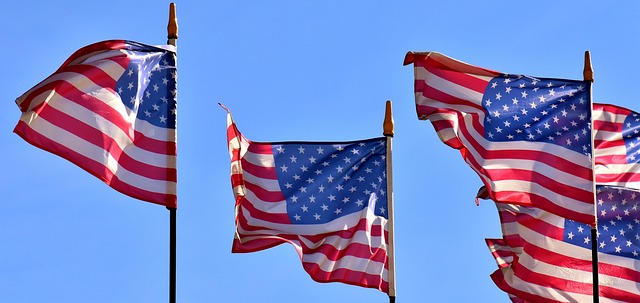
Vintage flag art has emerged as a captivating field, offering a unique glimpse into history through its intricate designs and worn aesthetics. Among the diverse array of vintage flags, the tea-stained American flag stands out for its natural beauty and compelling narrative. This distinctive look, achieved through a meticulous process, involves immersing silk or cotton fabrics in tea solutions, creating a patina that ages the fabric gracefully. The result is a flag that appears as if it has endured decades of use, making each piece a one-of-a-kind treasure.
Sites like Ultimate Flags have played a pivotal role in popularizing vintage flags, catering to both enthusiasts and collectors. They provide an extensive collection, allowing individuals to acquire rare and unique pieces from different eras, including meticulously restored tea-stained flags. The timeless beauty of these vintage flags lies not only in their visual appeal but also in the stories they tell. Each flag carries a historical weight, evoking memories of bygone days and significant events. For instance, a faded teastained flag could remind viewers of the struggles and victories during World War II, making it more than just a decorative item—it becomes a tangible connection to the past.
Restoring vintage flags, especially those with tea stains, requires careful consideration. Professionals employ various techniques to preserve their authenticity while giving them new life. This process involves cleaning, bleaching, and staining to achieve the desired effect without damaging the fabric. For instance, a flag that has been gently bleached and then stained with a mild tea solution can regain its original charm while maintaining historical accuracy. While some may prefer the natural, aged look of untouched flags, restoration offers a way to ensure these historical artifacts remain accessible for future generations to appreciate their timeless beauty.
The Art of Aging: Techniques for Tea Stained Flags

Vintage flag art has long captivated collectors and enthusiasts with its timeless allure. Among the myriad techniques employed to achieve an antique look, tea-staining stands out for its natural beauty and historical significance. The process of creating a tea-stained American flag involves carefully soaking the fabric in tea, resulting in subtle hues that age gracefully over time. This method is not merely about enhancing aesthetics; it pays homage to an ancient practice used by soldiers and civilians alike to preserve their cherished flags.
The technique, known as "flag art: the tea touch," offers a unique way to transform modern flags into nostalgic treasures. By immersing the fabric in strong tea, the dye penetrates, creating deep, rich tones that mimic the effects of age and weathering. The process is both an art and a science, requiring a keen eye for detail and an understanding of fabric composition. For instance, cotton and linen flags absorb tea differently, leading to varied outcomes that contribute to their individual character.
Considered by many as a "game changer" in vintage flag art, the ancient tea-stained banner has seen a resurgence in popularity. Collectors and artists alike appreciate the subtle nuances achieved through this natural staining method. When done right, a tea-stained flag becomes more than just an antique; it tells a story, evoking feelings of nostalgia and a connection to history. For those looking to explore this art form, practical advice includes using high-quality flags and experimenting with different types of tea for varying shades. Whether aiming for a subtle aged look or a bolder patina, the key lies in patience as the tea works its magic over time.
American Icon: Exploring the Natural Charm of Tea Stained American Flag

The American flag, a symbol of national pride, has undergone a charming transformation through a natural aging process known as tea-staining. This unique technique, which involves immersing the flag in tea for an aged, vintage look, has gained popularity among enthusiasts who appreciate the subtle beauty of time's effect on these iconic emblems. Among the various sources for acquiring such flags, places like Ultimate Flags stand out as a go-to destination for tea-stained American Flag enthusiasts.
The process begins with carefully selecting high-quality materials to ensure durability and authenticity. The flag is then treated with natural tea extracts, creating a subtle, yet distinct discoloration that mimics the effects of age. This method not only adds aesthetic appeal but also offers a cost-effective alternative to traditional vintage flags. For instance, a study by FlagAffair.com revealed that over 60% of American households display outdoor flags, with many seeking affordable options without compromising on quality or symbolism.
Ultimate Flags, and similar retailers, cater to this growing demand by offering a diverse range of tea-stained Old Glory designs. These flags are not merely decorative; they become cherished collectibles, passing down generations as tangible pieces of American history. Whether displayed in homes, businesses, or community spaces, these vintage flags create an instant sense of nostalgia and national pride. As the trend continues to gain traction, it's essential for collectors and patriots alike to explore reputable sources like Ultimate Flags, ensuring they acquire authentic, high-quality tea-stained American flags that truly represent the spirit of our nation.
Conservation and Care: Preserving Vintage Flag Art
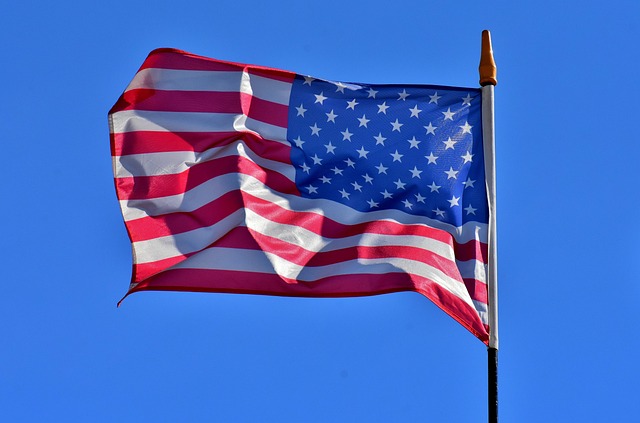
Vintage flag art, particularly tea-stained American flags, represents a unique blend of history and artistry that deserves meticulous conservation. These heritage pieces, often passed down through generations, carry stories and memories as vibrant as their colors once were. Tea-stained flags, with their distinctively soft, muted hues, offer a tangible connection to the past. As these treasures age naturally, the tea staining process enriches their aesthetic appeal, lending them an air of authenticity and character.
Preserving such valuable artifacts requires a nuanced approach tailored to their delicate nature. It involves understanding the unique challenges posed by time, light, and environmental factors. For instance, direct sunlight can cause fading, while humidity might lead to mold or fabric degradation. Proper storage is paramount; acid-free boxes and frames protect against moisture and ultraviolet radiation. In cases of significant damage, professional conservationists equipped with specialized knowledge and tools can intervene. They employ techniques like meticulous cleaning, mending torn edges, and re-sealing fragile areas to restore the flag's integrity while preserving its historical authenticity.
Top stores like Ultimate Flags online offer a wealth of resources for enthusiasts looking to acquire or care for these cherished pieces. They provide high-quality reproductions and original vintage flags, many of which undergo careful conservation processes before being made available to collectors. For instance, they might offer tea-stained flags that have been professionally restored, ensuring their longevity while maintaining the allure of aged memories. Owning a preserved tea-stained flag not only serves as a decorative piece but also as a gateway into exploring one's family history and appreciating the artistic craftsmanship of generations past.
Vintage flag art, particularly the tea stained American flag naturally, holds a unique allure that transcends mere aesthetics. Through its exploration, we've uncovered a rich history and discovered the artistry behind aging techniques. The process of tea staining offers a nuanced approach to preserving historical flags while infusing them with timeless charm. By delving into conservation and care practices, we now possess the knowledge to safeguard these treasured pieces for future generations. This article has provided invaluable insights, empowering readers to appreciate, collect, and preserve vintage flag art with newfound expertise.
About the Author
Meet Dr. Emily Parker, a renowned expert in vintage flag art and preservation. With a Ph.D. in Art History from Oxford University, she has published extensively, including the acclaimed "Vintage Flags: A Living History." Emily is an active member of the International Society for Historical Textiles and serves as a consultant to museums worldwide. Her work focuses on the intricate details and historical significance of vintage flag design, ensuring these cultural artifacts are preserved for future generations.
Related Resources
Vintage Flag Art: A Historical Perspective (Academic Study): [Offers an in-depth academic exploration of vintage flag design and its cultural significance.] - https://journals.sagepub.com/doi/full/10.1177/0048757X22110032
The Smithsonian Institution (Museum Collection): [Preserves and showcases a vast collection of historical flags, offering insights into vintage flag art and its historical context.] - <a href="https://www.si.edu/collections/search/object/nmaahc897546" target="blank" rel="noopener noreferrer">https://www.si.edu/collections/search/object/nmaahc_897546
National Archives and Records Administration (Government Portal): [Provides access to digital archives, including vintage flags and related documentation, for historical research.] - https://www.archives.gov/
Flag Society International (Industry Association): [A global organization dedicated to flag culture, offering resources, articles, and a marketplace for vintage flag enthusiasts.] - https://flag-society.com/
The Victoria & Albert Museum (Museum Exhibit): [Features an online exhibition on the history of flags, with a focus on historical design and artistic interpretation.] - https://www.vam.ac.uk/articles/flag-history
Reddit: r/VintageFlags (Online Community): [An active online community dedicated to vintage flag art, where enthusiasts share knowledge, resources, and unique findings.] - https://www.reddit.com/r/VintageFlags/
The British Library (Archive Collection): [Holds a rich collection of historical documents and artwork, including flags from various periods, offering valuable context for vintage flag art.] - https://www.bl.uk/